
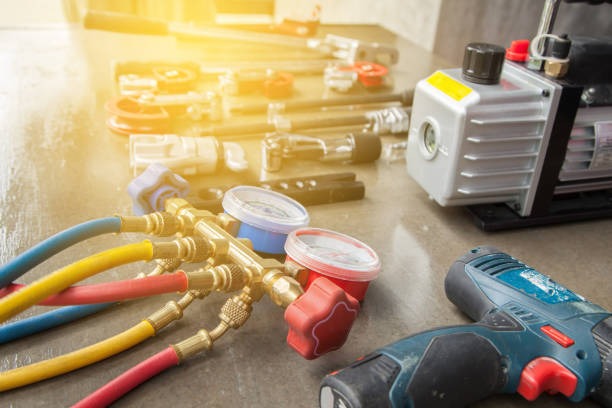
Gas leaks in fridges and freezers are a common issue that can pose significant risks if not addressed promptly. The primary cause of gas leaks in these appliances is often due to faults within the cooling system or damage to the refrigerant lines. These lines contain chemicals such as Freon, a colorless gas that can be harmful if leaked into your home environment.
The cooling system in your fridge or freezer works by circulating this refrigerant through coils, absorbing heat from inside the appliance and releasing it outside. If there’s any damage or fault within this system, the refrigerant may leak out. This could happen because of wear and tear over time, physical damages like punctures or dents on the appliance, poor installation, or manufacturing defects.
These gas leaks present several risks. First off is the health risk; exposure to leaking refrigerants can result in nausea, headaches, coughing and irritation to eyes, skin and lungs. In severe cases where large amounts of gas are leaked into an enclosed space without ventilation, it could lead to unconsciousness or even death.
Another risk associated with leaking gases is environmental harm. Most older models of fridges and freezers use hydrochlorofluorocarbons (HCFCs) like Freon as their coolant which are potent greenhouse gases contributing significantly to global warming when released into the atmosphere.
A less immediate but equally important concern is that a gas leak will compromise your fridge’s efficiency leading to increased energy consumption and higher electricity bills while reducing its effectiveness at preserving food items.
Addressing a suspected gas leak should always involve professional help due to potential health hazards involved in handling these chemicals directly. If you smell a strong chemical odor near your refrigerator or notice it isn’t cooling properly despite being at maximum settings then you might have a leak on your hands.
The first step would be turning off the appliance immediately followed by calling for professional repair services who have expertise dealing with such issues safely using specialized tools and protective gear. They will inspect the appliance, locate the leak, and repair or replace the faulty components as necessary.
In some cases where damage is extensive, it might be more cost-effective to replace the entire unit. When choosing a new fridge or freezer, consider models that use more environmentally friendly refrigerants such as hydrofluorocarbons (HFCs) which are less harmful to the ozone layer.
Regular maintenance checks can help prevent gas leaks in fridges and freezers by identifying potential issues before they escalate into bigger problems. This includes regular cleaning of coils to improve efficiency and checking for any visible signs of wear or damage on your appliance.
Gas leaks in fridges and freezers pose significant risks, understanding their causes can help prevent them while knowing what steps to take when one does occur ensures safety for both you and your environment.